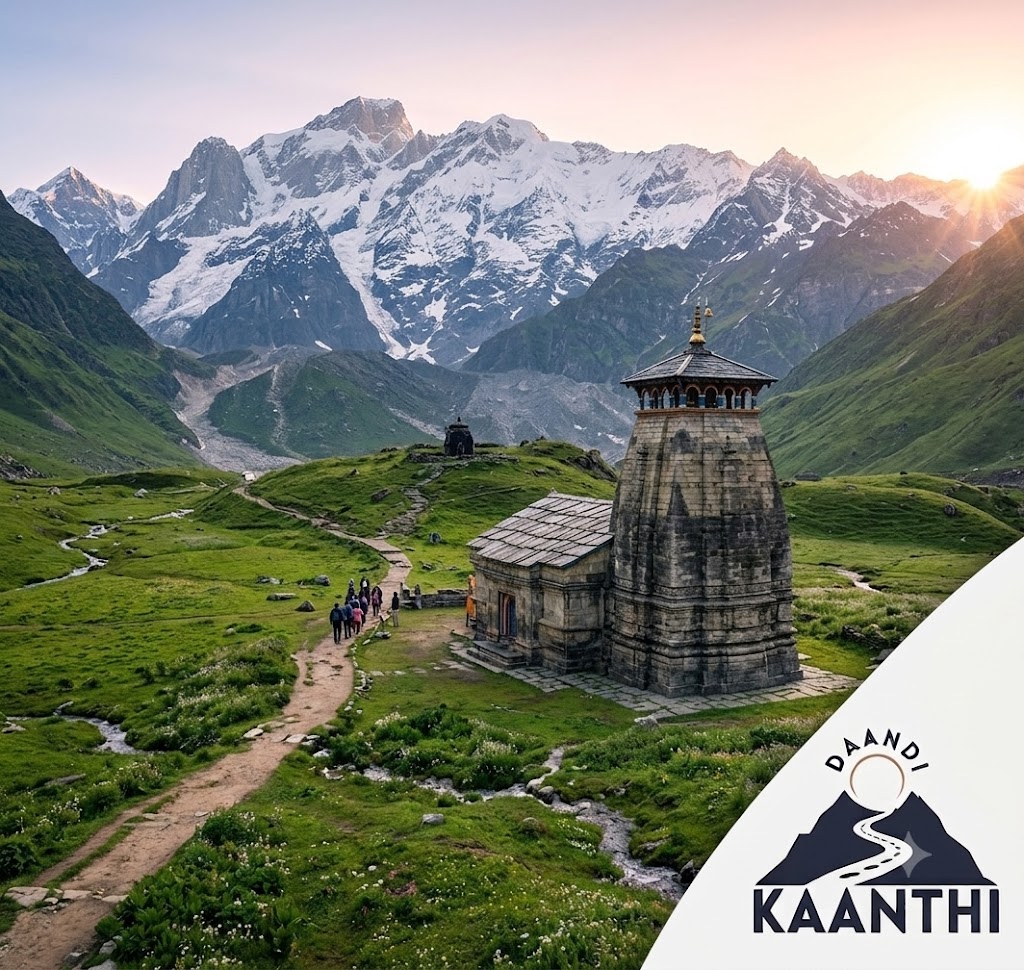
Most pilgrims begin the Kedarnath trek route with more questions than answers—how far is Gaurikund to Kedarnath? What challenges lie ahead? That uncertainty can weigh heavily before you even take your first step. We break down the path with clear local insights, pacing advice, and the exact support you’ll need, turning a tough climb into a steady, respectful pilgrimage. Let’s make your journey safer and more meaningful from the start.
Understanding the Kedarnath Trek Route
Embarking on the Kedarnath trek involves more than just physical preparation; it’s a spiritual journey that demands thoughtful planning and respect for the path. Here’s how you can ensure your pilgrimage is both safe and meaningful.
Planning Your Pilgrimage Path
Start by understanding the trek route and what it entails. The path from Gaurikund to Kedarnath is approximately 16 kilometers, requiring both stamina and preparation. It’s essential to be aware of the trek’s difficulty and the best time to undertake this journey, typically from late April to early November. During these months, the weather is more favorable, making the trek safer and more enjoyable.
Planning includes securing necessary permits and understanding the registration process. This ensures you comply with local regulations and enhances your safety. Most importantly, having a clear itinerary and knowing the accommodation options, like booking with GMVN Kedarnath, can significantly ease your journey.
Local Guidance and Support
Leverage local expertise to enhance your trekking experience. Engaging with a local Kedarnath guide not only helps navigate the trail but also enriches your journey with cultural insights. Guides can provide invaluable support, offering context about the sacred landmarks you’ll encounter and ensuring your trek progresses smoothly.
Additionally, consider employing porters or mules to assist with carrying heavy gear, which can significantly reduce fatigue and allow you to focus on the spiritual aspects of the pilgrimage. Their familiarity with the route and conditions can be a crucial part of a successful trek.
Gaurikund to Kedarnath: What to Expect
As you begin the trek from Gaurikund, anticipate a gradual ascent through picturesque landscapes and sacred sites. This path is revered, and understanding its significance adds depth to your journey. You’ll traverse through diverse terrains, from lush green valleys to rocky paths, with the altitude gradually increasing to 3,583 meters at Kedarnath.
Be prepared for variable weather conditions and ensure you have the right gear to adapt. Regular breaks and hydration are vital to combat the physical exertion and high altitude. The journey, though challenging, is deeply rewarding spiritually and visually, culminating at the Kedarnath Temple, a pivotal point for many pilgrims.
Preparing for the Journey

Beyond understanding the route, preparing for the Kedarnath trek involves acclimatization, packing essentials, and keeping updated with weather conditions. These elements are crucial in transforming a daunting task into a manageable adventure.
Acclimatization and Pacing Tips
To tackle the altitude and physical demands of the trek, it’s important to pace yourself and acclimatize properly. Start by spending a day at a midpoint altitude like Rishikesh or Sonprayag. This helps your body adjust to lower oxygen levels, reducing the risk of altitude sickness. Gradual acclimatization is a key step in ensuring a safe Kedarnath yatra.
Listen to your body and take regular breaks. Hydration is crucial, so drink plenty of water and consume light snacks to maintain energy levels. By taking your time, you ensure that fatigue doesn’t overshadow the spiritual essence of your trek.
Essential Kedarnath Packing List
Packing smart can significantly enhance your trek experience. Your packing list should include warm clothing, as temperatures can drop, particularly at night. Waterproof gear is essential to stay dry and comfortable. Don’t forget sturdy trekking boots, which provide support and traction on uneven terrain.
Include essentials like a first aid kit, personal medications, and a reliable backpack. Consider packing energy bars and hydration packs to sustain your energy levels on the trail. By preparing thoroughly, you ensure that unforeseen circumstances don’t detract from your pilgrimage.
Weather Updates and Seasonal Advice
Staying informed about the weather is crucial. The Kedarnath weather updates can guide you in packing appropriate gear and planning your trek. The monsoon season can bring heavy rains, making the path slippery and challenging. Thus, the pre-monsoon months are often recommended for trekking.
Each season offers a different perspective of the Himalayas, from snow-capped peaks in early spring to lush greenery post-monsoon. Choose a time that aligns with what you wish to experience and plan accordingly to ensure your trek is both safe and memorable.
Walking with Respect and Reverence

Respecting the trail and the communities you encounter is fundamental in preserving the sanctity of the Kedarnath pilgrimage. This mindful approach not only honors local traditions but also enriches your journey.
Importance of Respectful Trekking
As a pilgrim, walking with respect involves more than adherence to trail etiquette; it’s about honoring the sacredness of the path. Stick to designated trails to preserve the natural environment and avoid disturbing wildlife. This mindfulness demonstrates respect for both nature and the spiritual significance of the trek.
Tread lightly and be conscious of your impact, ensuring you leave no trace. By doing so, you contribute to the sustainability of this sacred path, allowing future pilgrims to experience its untouched beauty.
Community and Cultural Connections
Engaging with local communities can add profound meaning to your trek. These interactions offer insights into the cultural and spiritual tapestry of the region. Take the time to listen to local stories and wisdom, which can deepen your understanding and appreciation of the pilgrimage.
Support local businesses by purchasing traditional crafts or hiring local guides. This not only enriches your experience but also supports the community economically, fostering a positive exchange between travelers and residents.
Ensuring a Safe Kedarnath Yatra
Safety is paramount on your journey. Always stay informed about trail conditions and weather forecasts. Consider booking a Kedarnath yatra package with DaandiKaanthi, which offers comprehensive support and planning. This reduces logistical stress, allowing you to focus on the spiritual aspects of your pilgrimage.
A well-prepared pilgrim is a safe pilgrim. Equip yourself with the necessary gear, respect local customs, and stay informed. With these elements in place, your Kedarnath trek becomes a harmonious blend of challenge, spirituality, and cultural respect.
Frequently Asked Questions
What is the best time for the Kedarnath trek?
The ideal time is between late April and early November, avoiding the monsoon months to ensure safer trails and pleasant weather.
How difficult is the Kedarnath trek?
The trek is moderately challenging due to its distance and altitude. Proper preparation and acclimatization can make the journey more manageable.
What should I pack for the Kedarnath trek?
Pack warm and waterproof clothing, sturdy trekking boots, a first aid kit, and energy snacks. Ensure your backpack is comfortable and equipped with essentials like a flashlight and personal medications.
Can I hire a local guide or porter for the trek?
Yes, hiring local guides or porters is recommended for their expertise and support, enhancing your trekking experience and cultural understanding.
How can I ensure my safety during the trek?
Stay updated on weather conditions, take regular breaks for acclimatization, and consider booking a comprehensive Kedarnath yatra package for guided support.