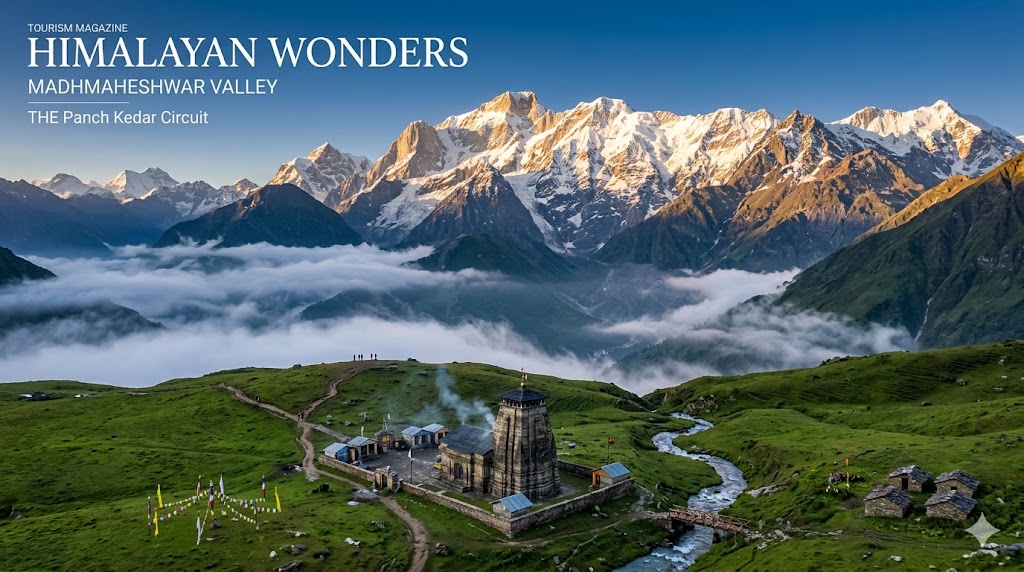
Choosing the best time to visit Kedarnath can feel overwhelming when weather, access, and safety all hang in the balance. Many travelers hesitate, unsure which season suits their needs for a smoother, more meaningful pilgrimage. This Kedarnath season guide breaks down the key windows—from pre-monsoon May–June to post-monsoon September–October—so you can plan with clarity and confidence. Let’s explore how timing shapes every step of your sacred journey. For more insights, check out this travel guide.
Ideal Kedarnath Yatra Seasons
Navigating the best seasons for a Kedarnath pilgrimage can make your journey smoother and safer. Let’s explore the ideal windows for this sacred trek.
Pre-Monsoon: May to June
May to June is a popular time to embark on your Kedarnath yatra. The weather tends to be more favorable, with clear skies and pleasant temperatures. During these months, the snow begins to melt, making the trek paths more accessible. It’s a period when the region bursts into life, with vibrant landscapes and blooming flora. Moreover, the spiritual atmosphere is enhanced as many pilgrims choose this time for their journey. However, keep in mind that this is also a peak season, so expect larger crowds and possibly higher accommodation rates.
Travelers often find this window ideal for a pilgrimage, as it offers a balance between accessibility and a serene environment. Although it’s busy, the sense of community among fellow pilgrims can enrich your experience. To ensure a smooth trip, book your accommodations and plan your itinerary in advance. This way, you can focus on the spiritual essence of your journey without logistical concerns. For more tips, see this comprehensive travel guide.
Post-Monsoon: September to October
The months following the monsoon, September to October, also provide a great opportunity for visiting Kedarnath. The rains recede, leaving the region lush and picturesque. This period is marked by cooler temperatures, making trekking more comfortable. Additionally, the crowds tend to thin out compared to the pre-monsoon period, allowing for a more## Ideal Kedarnath Yatra Seasons
Exploring the best seasons to visit Kedarnath ensures you experience a smoother journey. Timing impacts weather, crowds, and overall comfort.
Pre-Monsoon: May to June
Starting in May, Kedarnath opens its doors to pilgrims seeking spiritual fulfillment. During these months, the weather is generally clear and pleasant, with temperatures ranging from 5°C to 18°C. The snow from the previous winter begins to melt, revealing lush green valleys and clear skies. This period is ideal for those looking to avoid the monsoon rains that follow. The trails are generally less slippery, making it safer for trekking. Additionally, early visitors often encounter fewer crowds, allowing for a more intimate experience at the temple.
As June progresses, the weather remains favorable, but the influx of pilgrims steadily increases. This is due to the summer vacations in many parts of India. While this means more company on your journey, it also means more facilities and services are operational. If you prefer a lively atmosphere with fellow travelers, June might be your month. However, if you seek solitude, consider visiting earlier in May.
Post-Monsoon: September to October
September marks the beginning of the post-monsoon season, a time when Kedarnath emerges vibrant and refreshed. The monsoon rains, which can cause landslides and other challenges, have subsided by now. The landscape transforms into a picturesque setting, with blooming flowers and verdant surroundings. Temperatures during this period range from 4°C to 15°C, making it comfortable for trekking and outdoor activities.
October is particularly stunning, as the fall foliage adds a golden hue to the scenery. This is an excellent time for photography enthusiasts to capture the beauty of Kedarnath. The weather remains stable, and the risk of rain is minimal, allowing for easier travel and exploration. Keep in mind that as the month progresses, the nights start getting colder, so packing appropriately is essential for a comfortable visit.
Navigating Seasonal Challenges

Understanding and preparing for the weather in Kedarnath is key to a successful journey. Each month brings its own set of challenges and opportunities.
Understanding Kedarnath Weather by Month
Kedarnath’s weather varies significantly by month, affecting accessibility and experience. May and June offer mild temperatures, perfect for daytime activities. July and August, however, bring heavy monsoon rains, which can lead to landslides and roadblocks. These months are generally not recommended for travel due to safety concerns.
Post-monsoon months of September and October present a more stable climate. The air is crisp and fresh, making it ideal for outdoor enthusiasts. November sees the onset of winter, with temperatures dropping and snowfall beginning. While the temple remains open until Bhai Dooj (usually in November), the increasing cold and snow can pose challenges for those unprepared for winter conditions. Planning your visit with these factors in mind ensures a smoother experience.
Kedarnath Monsoon Safety Tips
Monsoon season in Kedarnath, from July to August, brings heavy rains and potential hazards. If you plan to visit during this time, safety must be your top priority. Always check weather forecasts and road conditions before setting out. It’s crucial to stay informed about potential landslides or flooding in the region.
Carrying essential gear such as waterproof clothing, sturdy boots, and rain covers for your belongings is necessary. Being prepared for unexpected weather changes can make a difference. It’s advisable to travel in groups and stay in touch with local authorities or guides who are familiar with the terrain. Most importantly, be flexible with your plans and be prepared to delay travel if conditions become unsafe. Safety should always come first on your pilgrimage.
Planning a Smooth Kedarnath Journey
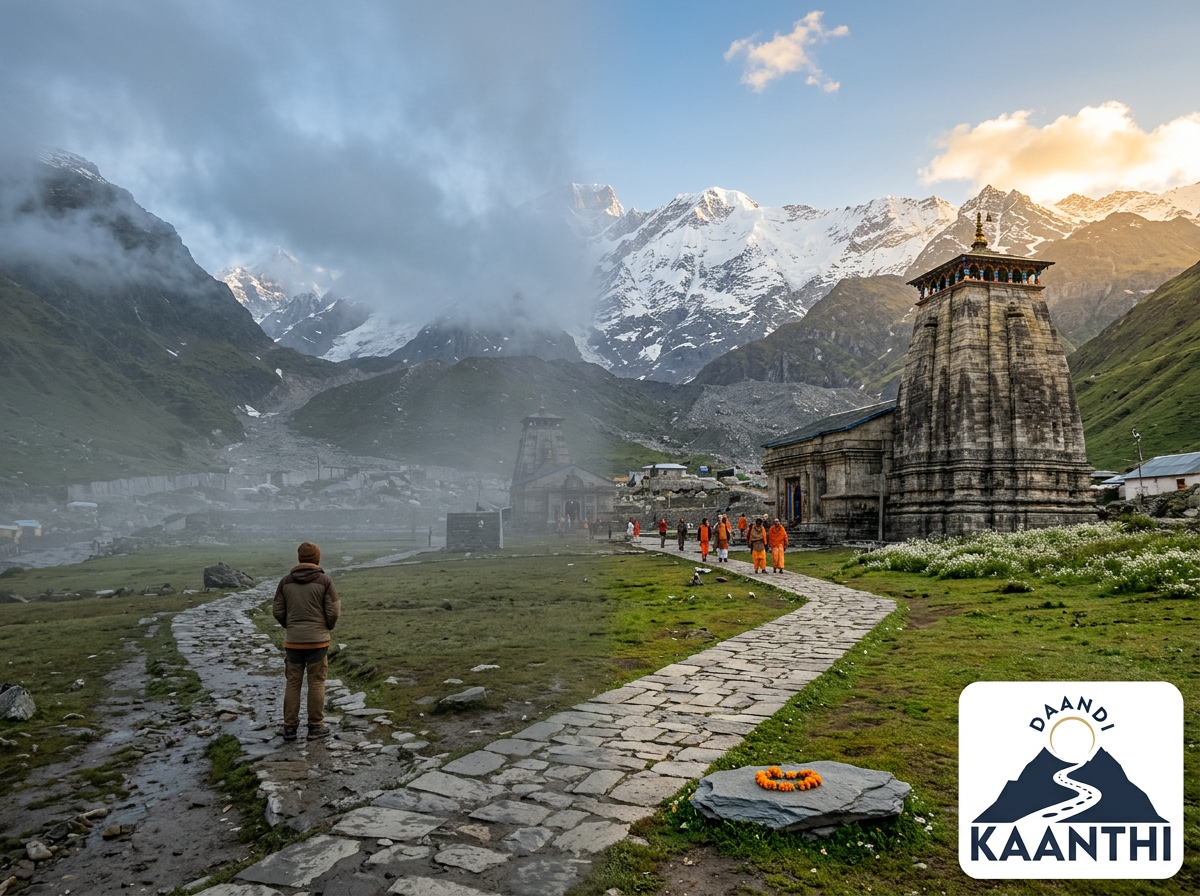
Careful planning and preparation can make your Kedarnath visit more enjoyable and stress-free. Here are some insights to help you along the way.
Kedarnath Trek from Gaurikund Insights
The trek from Gaurikund to Kedarnath is a popular route filled with stunning views and spiritual significance. Beginning at Gaurikund, the trek spans about 16 kilometers and takes approximately 6 to 8 hours to complete, depending on your pace. The path is well-marked and frequented by pilgrims, providing a sense of camaraderie among travelers.
Along the way, you’ll encounter various stalls offering refreshments and local handicrafts. It’s a good idea to keep hydrated and take regular breaks, especially if you’re not accustomed to high-altitude trekking. For those unable to walk the entire distance, ponies and palanquins are available for hire. This ensures that everyone can partake in this sacred journey, regardless of physical ability. Being well-prepared with the right gear and a flexible mindset will enhance your trekking experience.
Rishikesh to Kedarnath Travel Tips
Traveling from Rishikesh to Kedarnath involves multiple modes of transport, each offering its own unique experience. Starting from Rishikesh, you can take a bus or taxi to Gaurikund. The journey is about 207 kilometers and usually takes 8 to 10 hours, depending on road conditions and traffic. The road winds through beautiful landscapes, offering glimpses of the majestic Himalayas and the Ganges River.
If you’re short on time or prefer a quicker journey, helicopter services from Phata to Kedarnath are available. These flights provide a breathtaking aerial view of the region and reduce travel time significantly. Regardless of your chosen mode of transport, it’s essential to book accommodations in advance, especially during peak seasons. Planning your itinerary with these tips in mind will ensure a smoother and more enjoyable pilgrimage.
Frequently Asked Questions
When is the best time to visit Kedarnath?
The best time to visit Kedarnath is during the pre-monsoon (May to June) and post-monsoon (September to October) seasons. These periods offer pleasant weather and fewer travel disruptions compared to the monsoon months.
What precautions should I take when visiting Kedarnath during the monsoon?
If visiting during the monsoon, check weather forecasts and road conditions regularly. Carry waterproof gear and travel in groups. Stay informed about potential landslides and be prepared to alter your plans if conditions worsen.
How can I reach Kedarnath from Rishikesh?
You can travel from Rishikesh to Kedarnath by bus or taxi to Gaurikund, followed by a trek to the temple. Alternatively, helicopter services from Phata offer a quicker route. Book accommodations and transport in advance for a smoother journey.
For more on planning a safe and inspiring Kedarnath pilgrimage, visit The Stupid Bear’s travel guide.